Travelling to Penang as a family often means balancing many different pace and priorities, all at once.
Mornings may begin slowly, followed by long days exploring the streets of George Town, afternoons by the beach, and evenings shaped around food, rest, and whatever energy remains.
Amid it all, the space you return to matters more than most expect.
Not just in terms of size—but in how well it supports movement, rest, and a quiet sense of ease for everyone.
Choosing the right family suite, therefore, isn’t just about accommodating more people. It’s about finding a space that allows the journey to unfold comfortably, without friction.
What Defines a Family Suite in Penang?
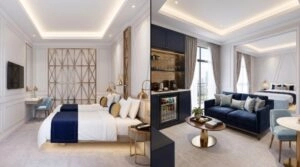
A family suite extends beyond the definition of a standard hotel room, offering a thoughtfully composed layout designed to accommodate multiple guests without compromising comfort.
Rather than simply increasing capacity by adding more beds, well-considered suites introduce structure, balance and intention into the space.
Within these suites, one may expect:
- Distinct sleeping zones or flexible bedding arrangements
- Generous, open-plan layouts that allows the space to breathe
- Dedicated seating or living areas for gathering
- Practical features that support group stays
Depending on the property, configurations may range from extended single-room layouts to more refined arrangements with separate bedrooms and living spaces.
The distinction, however, lies not in scale alone, but in the intentionality with which the space is composed and experienced.
Why the Right Suite Makes a Noticeable Difference
When travelling with family, small inconveniences tend to compound quickly.
Limited space, unclear layouts, or lack of separation can turn what should be a restful environment into something unnecessarily stressful.
A well-designed suite, on the other hand, creates a natural sense of flow:
- Space to move without crowding
- Areas to rest without interruption
- Thoughtful structure that keeps the space organised
In a destination like Penang—where days are often full and layered—returning to a calm, well-composed space becomes an essential part of the experience itself.
What to Look For Before Booking
Rather than being guided by size alone,, experienced travellers tend to evaluate how a suite functions in practice.
1. Bed Configuration That Supports Real Comfort
In a family suite, the arrangement of beds often defines the quality of rest above anything else.
Look for:
- King beds complemented by thoughtfully placed single beds
- Twin configurations with sofa bed integration
- Clearly defined sleeping zones that preserve privacy
Be cautious of layouts that simply introduce extra beds into constrained spaces, as this often compromises comfort rather than enhances it.
2. A Layout That Feels Intuitive
Space alone is never the measure of comfort.
A well-designed family suite should feel instinctively easy to move through, with:
- Subtle separation between rest and activity areas
- Generous circulation space for luggage and movement
- Furniture arranged with purpose rather than density
Properties with a strong design philosophy often prioritise this balance, ensuring the room feels open coherent and quietly refined.
Hotels such as The Prestige Hotel Penang reflect this approach, where aesthetics and functionality are carefully aligned to create a sense of effortless spatial clarity..
3. A Separate Living Area That Extends the Stay (When It Matters)
For families staying beyond a short visit, a dedicated seating area becomes less of a feature and more of a necessity.
It allows:
- Moments of rest without disturbing others
- Flexible use of space throughout the day
- A natural separation between activity and downtime
Even a modest living area can significantly elevate the way a suite is experienced.
4. Bathroom Design and Spatial Ease
Often understated, yet essential to daily comfort..
Consider:
- Whether the bathroom accommodates shared use with ease
- Thoughtful separation between shower and toilet areas
- Adequate S space for daily routines
These details contribute to smoother mornings and more comfortable evenings.
5. Storage and Everyday Practicality
Travelling as a group naturally comes with more belongings—and a greater need for organisation.
Look for:
- Adequate wardrobe and storage space
- Clear surface to prevent visual clutter
- Convenient access to power outlets
- Functional table or workspace area
Often, it’s these quieter details that determine how comfortable a stay truly feels.
For a clearer sense of how these elements come together, exploring available rooms and suites in Penang can help illustrate how different layouts are designed to maximise usability and comfort
Choosing the Right Area in Penang
Location shapes the overall pace of your trip just as much as the room itself.
George Town — For Culture and Walkability
Staying within the heritage core offers:
- Immediate access to cafés, dining, and cultural landmarks
- Walkable streets and reduced travel time
- A deeply immersive city experience
Well-designed hotels here often emphasize character, atmosphere and thoughtful layouts.
Batu Ferringhi — For Space and Slower Days
Along the coast, the experience shifts.
This area is ideal for:
- Families seeking relaxation and resort style comfort
- Larger room layouts and open spaces
- Beach access and outdoor activities
Gurney Drive / Tanjung Tokong — For Modern Convenience
Closer to the city’s contemporary district, this area offers:
- Proximity to shopping and dining
- Modern developments and infrastructure
- A balance between leisure and practicality
Common Mistakes to Avoid
Even with careful planning, a few missteps remain common.
Booking Based on Photos Alone
- Images rarely communicate true proportions, spatial flow, or practical usability. y
Always review written descriptions, layouts, and recent guest feedback to better understand how a space truly functions.
Focusing Only on Size
A larger room without structure can feel less comfortable than a smaller, well-designed suite.
Ultimately, layout carries more weight than square footage. Comfort is defined not by scale alone, but by how intelligently the space is organised.
Overlooking the Hotel Itself
Consistency in service, maintenance, and design plays a significant role—particularly for family stays where reliability is key.
For instance, reviewing the background and design approachof The Prestige Hotel Penang provides insight into its hospitality standards and overall guest experience —important considerations when selecting accommodation for family stays.
Choosing Price Over Value
Lower rates can sometimes come with compromises in:
- Space
- Noise control
- Cleanliness
- Overall comfort
For families, a well-balanced option often delivers a far more meaningful experience than the lowest price available.
Booking More Thoughtfully in 2026
A few patterns continue to hold true when selecting family accomodation:
✔ Book early during peak travel periods
Family suites are limited in number and are often among the first room categories to sell out.
✔ Prioritise comfort over maximum occupancy
Capacity doesn’t always equal comfort—review layout carefully to ensure the space supports how you intents to use it throughout the stay
✔ Book direct where possible
Direct bookings often provides clearer room details, greater flexibility, and better communication regarding specific requirements
✔ Consider accessibility and surroundings
Lift access, proximity to attractions, and nearby dining options can significantly inlfuence the overall ease and pace of your stay.
Who a Family Suite Is Best For
A well-designed family suite is particularly suited to:
- Families with children
- Small groups travelling together
- Multi-generational trips
- Longer stays of two nights or more
- Travellers who value space, comfort and ease
Final Thoughts
In Penang, where each day carries a different pace, the right accommodation should feel like a seamless extension of the journey—not a limitation within it.
The best family suites are not simply larger rooms, but spaces that are thoughtfully arranged to support comfort, movement, and rest for everyone staying within them.
When chosen well, they allow the experience of travel to unfold more naturally—leaving you to focus less on logistics, and more on moments that shape the journey itself.