Whether you’re planning a weekend escape, a family holiday or a business trip, the right room can make a significant difference to your overall experience.
One of the most common decisions travellers face is whether to book a Standard Room or upgrade to a Deluxe Suite. While both provide comfort and convenience, the different layouts, thoughtful amenities and enhanced flexibility of a higher room category can make a noticeable difference.
Understanding what each category offers will help you select the accommodation that best suits your travel style, budget and expectations.
Understanding Hotel Room Categories
Although room names differ between hotels, most follow a similar progression:
Standard Room
Comfortable accommodation with all the essentials for a restful stay.
Deluxe Room
More spacious, with upgraded furnishings, premium amenities and enhanced comfort.
Suite
Offers significantly more space, often including a separate living area for added privacy and flexibility.
Rather than focusing solely on the room name, it’s always worth reviewing the room size, layout and included amenities before booking.
What to Expect from a Standard Room
A standard room is designed to provide everything needed for a comfortable stay.
Typical features include:
- One king bed or two twin beds
- Private bathroom
- Complimentary Wi-Fi
- Television and entertainment options
- Tea and coffee-making facilities
- A desk or seating area
- Wardrobe and luggage space
Standard rooms are an excellent choice for solo travellers, couples and guests who expect to spend most of their time exploring the destination rather than relaxing in the room.
What Makes a Deluxe Room or Suite Different?
A deluxe room or suite offers more than additional square metres.
Guests can generally expect:
- Larger, more comfortable layouts
- Premium furnishings and bedding
- Enhanced bathroom amenities
- Better views or preferred locations within the hotel
- Additional seating areas
- Upgraded in-room refreshments and entertainment
A Full Suite goes one step further by offering a separate living area, creating a more spacious environment for longer stays, family travel or special occasions.
Twin Bed Room or Deluxe Suite?
Choosing the Right Setup for Two Travellers
For friends, siblings, or travel companions sharing a trip, the twin bed room is often overlooked in favour of booking two separate rooms — or one deluxe suite.
A twin bed room gives each traveller a private bed within one room, usually at a lower cost than two standard rooms or a single suite.
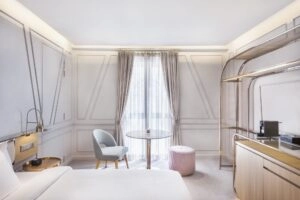
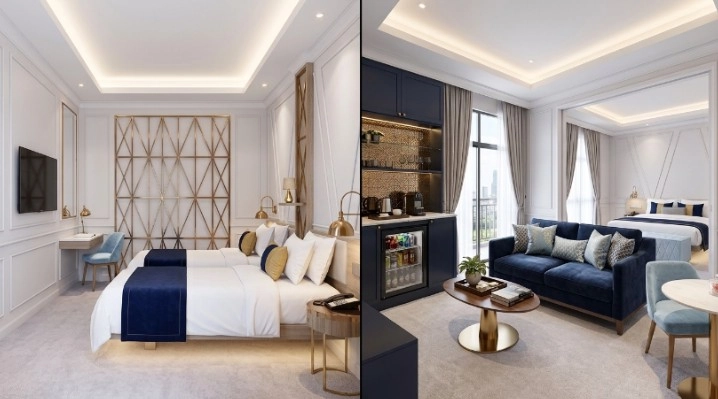
At The Prestige Hotel Penang, for instance, both the Originals and Deluxe room categories can be booked with either a King bed or two Twin beds, giving travellers flexibility to match the room to their trip.
A deluxe suite still makes sense when the group needs a shared lounge area, or when the trip is a special occasion worth the extra space.
When the Upgrade to a Deluxe Suite Pays Off
Following common hospitality guidance, a deluxe suite tends to justify its price when:
- The stay runs several nights rather than one or two
- You want a separate area to relax, read, or unwind away from the bed
- You’re travelling with family or celebrating a special occasion
- The rate difference over a standard room is modest relative to the trip’s overall cost
Suites tend to suit travellers who need space for a longer stay, while a quick weekend getaway is usually well served by a standard room.
When a Standard Room (or Twin Bed Room) Is the Smarter Call
Bigger isn’t always better value.
Standard rooms work well for short stays or trips where you’ll spend most of your time exploring rather than lounging in the room itself.
For two people on a short, budget-conscious trip, a twin bed room usually covers the need without paying for suite-level space that goes unused.
Quick Comparison at a Glance
- Space: standard rooms combine sleeping and sitting areas in one compact space; deluxe suites add a separate living area.
- Best for: standard rooms suit short getaways and solo or couple trips; deluxe suites suit longer stays, families, and celebrations.
- Sharing a room: a twin bed room gives two travellers separate beds at a lower cost than a suite.
- Extras: deluxe suites more often include a lounge, larger bathroom, and sometimes a kitchenette; standard rooms cover the essentials — bed, bathroom, Wi-Fi, and a TV.
Weighing these points against your itinerary — rather than just the nightly rate — makes it much easier to decide which category actually fits your trip.
Frequently Asked Questions
What is the main difference between a standard room and a deluxe suite?
A standard room combines sleeping and sitting space in one compact area, while a deluxe suite adds a separate living area, more square footage, and upgraded furnishings.
Is a deluxe suite worth it for a short weekend trip?
Usually not — standard rooms are generally considered sufficient for short stays where you’ll spend most of your time out exploring rather than in the room.
What is a twin bed room, and when should travellers book one?
A twin bed room has two separate single beds in one room, making it a cost-effective option for two people travelling together who each want their own bed.
Do deluxe suites always include a kitchenette?
Not always. Kitchenettes appear in many premium suites, but this varies by hotel and room category.
Are deluxe suites suitable for family holidays?
Yes. The separate living area gives families or groups more room to relax together, something a standard room doesn’t offer.
Conclusion
The decision between a standard room and a deluxe suite comes down to how the room will actually be used, not just budget.
Short, activity-packed trips are usually served well by a standard room, or a twin bed room when two travellers are sharing.
Longer stays, family holidays, or milestone trips are where a deluxe suite’s extra space and separate living area earn their higher rate.
Checking a specific property’s room categories — such as the Originals, Deluxe, and Loft Suite options at The Prestige Hotel Penang — is the most reliable way to match the room type to your trip before you book.